


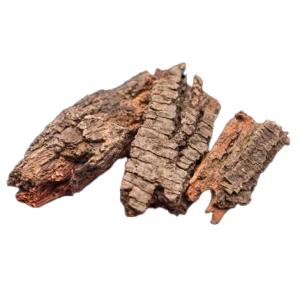
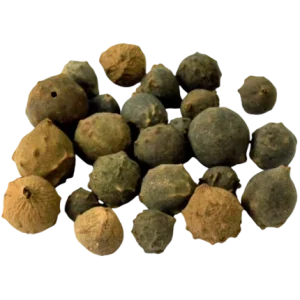
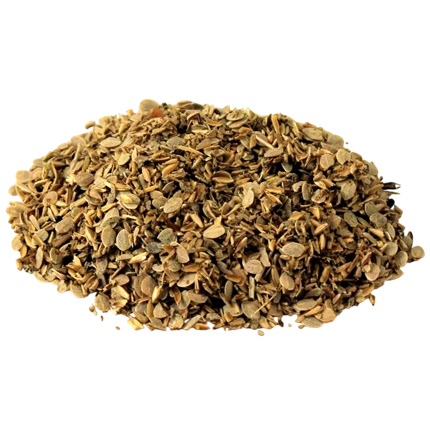
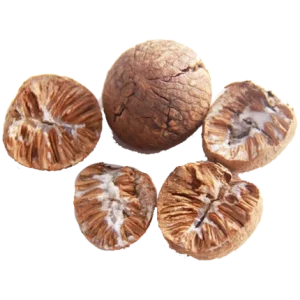
Acanthus Seeds (Tukhm-e-Utangan) تخم اٹنگن
Acanthus Seeds (Tukhm-e-Utangan)
- Scientific Name: Acanthus ilicifolius
- English Name: Indian Hollyhock
- Urdu Name: Tukhm-e-Utangan, تخم اٹنگن
- Origin: India, Southeast Asia
Medicinal Uses:
- Respiratory health: cough, asthma, bronchitis
- Digestive health: indigestion, bloating, constipation
- Skin health: acne, eczema, psoriasis
- Other: diuretic, anti-inflammatory, blood pressure regulation
Preparations:
- Decoction
- Powder
- Paste
- Oil
Acanthus Seeds (Tukhm-e-Utangan), تخم اٹنگن
Herbal and Medicinal Uses:
Acanthus seeds, commonly known as Tukhm-e-Utangan in Urdu, have been used in traditional medicine for centuries. They are believed to possess various medicinal properties that can benefit human health. Some of the primary uses of Acanthus seeds include:
Respiratory Health:
Used to treat cough, asthma, and bronchitis due to its expectorant properties.
Helps loosen phlegm and mucus, making it easier to expel.
Digestive Health:
Helps alleviate indigestion, bloating, and constipation.
Can be used as a mild laxative.
Skin Health:
Can be applied topically to treat skin conditions like acne, eczema, and psoriasis.
Other Uses:
Used as a diuretic to increase urine production.
May help lower blood pressure.
Can be used as an anti-inflammatory agent.
Traditional Preparations:
Acanthus seeds are often used in various preparations, including:
Decoction: Seeds are boiled in water to extract their medicinal properties.
Powder: Seeds are ground into a powder and taken orally or used externally.
Paste: Seeds are crushed and mixed with water to form a paste, which can be applied to the skin.
Oil: Seeds are extracted to produce an oil, which can be used for topical application.
Note: While Acanthus seeds have been used traditionally for various ailments, it’s essential to consult with a healthcare professional before using them as a supplement or treatment. Individual responses may vary, and it’s important to avoid excessive consumption.



Reviews
There are no reviews yet.