


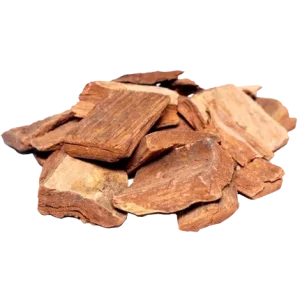

Areca Nut (Chikni Supari, Chaliya) چکنی سپاری
Scientific Name: Areca catechu
English Name: Betel Nut
Urdu Name: چینی سوپاری (Chini Supari), چلیا (Chaliya)
Origin: Southeast Asia
Medicinal Uses:
Anthelmintic: intestinal parasites
Digestive aid: stomach discomfort
Astringent: irritated tissues
Other: toothache, fever, cough
Important Note: Excessive consumption can lead to health problems, including oral cancer, heart disease, and liver damage. Consult a healthcare professional before use.
Areca Nut (Chikni Supari, Chaliya)
Name: Areca Nut
Scientific Name: Areca catechu
English Name: Betel Nut
Urdu Name: چینی سوپاری (Chini Supari), چلیا (Chaliya)
Origin: Southeast Asia, particularly India, Malaysia, and the Philippines.
Herbal and Medicinal Uses:
Areca nut, commonly known as Chini Supari or Chaliya in Urdu, has been used in traditional medicine for centuries in many parts of Asia. While it is primarily known for its psychoactive effects when chewed with betel leaf, it also possesses some medicinal properties. Here are some of its key uses:
- Anthelmintic: Areca nut has been used as a traditional remedy for intestinal parasites, particularly roundworms.
- Digestive Aid: Some traditional practices suggest that areca nut can help improve digestion and alleviate stomach discomfort.
- Astringent Properties: It has astringent properties that can help soothe irritated tissues.
- Other Uses: In some cultures, areca nut has been used as a traditional remedy for various ailments, including toothache, fever, and cough.
Important Note: It is crucial to note that while areca nut has been used in traditional medicine, it contains harmful chemicals, including arecoline, which can have adverse health effects, especially when consumed in excess. Long-term use of areca nut has been linked to various health problems, including oral cancer, heart disease, and liver damage. Therefore, it is essential to consult with a healthcare professional before using areca nut for any medicinal purposes.





Reviews
There are no reviews yet.