


Basil Seeds (Tukhm-e-Malanga, Tukhm-e-Rehan) تخم ما لنگا
English Name: Basil Seeds
Scientific Name: Ocimum basilicum
Urdu Name: تخم ما لنگا (Tukhm-e-Malanga), تخم ریحان (Tukhm-e-Rehan)
Origin: India, Middle East, Southeast Asia
Forms: Whole seeds, ground seeds
Herbal Uses: Digestive aid, antioxidant, anti-inflammatory, cooling effect, respiratory health
Cautions: Excessive consumption, interactions, allergies
Additional Information: Versatile herb, good source of fiber, antioxidants, essential oils
Basil Seeds (Tukhm-e-Malanga, Tukhm-e-Rehan)
English Name: Basil Seeds
Scientific Name: Ocimum basilicum
Urdu Name: تخم ما لنگا (Tukhm-e-Malanga), تخم ریحان (Tukhm-e-Rehan)
Origin: Native to India, but cultivated in various regions, including the Middle East and Southeast Asia.
Forms:
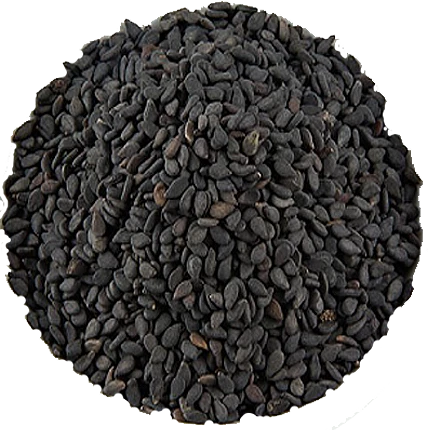
Whole seeds: Small, black or brown seeds.
Ground seeds: Seeds ground into powder.
Herbal Uses:
Digestive aid: Helps improve digestion, relieve constipation, and treat diarrhea.
Antioxidant: Contains antioxidants that protect cells from damage.
Anti-inflammatory: May have anti-inflammatory properties.
Cooling effect: Has a cooling effect on the body, which can be beneficial in hot weather.
Respiratory health: May help relieve cough and congestion.
Cautions:
Excessive consumption: Excessive consumption of basil seeds can lead to digestive issues.
Interactions: May interact with certain medications.
Allergies: Individuals with allergies to other herbs in the Lamiaceae family may also be allergic to basil seeds.
Note: Always consult a healthcare professional before using basil seeds, especially if you have any underlying health conditions or are taking medications.
Additional Information: Basil seeds are a versatile herb with potential health benefits. They are a good source of fiber, antioxidants, and essential oils. Basil seeds are also known as sabja seeds or chia seeds, although they are not botanically related to chia seeds.


Reviews
There are no reviews yet.